Vpn not working with esim heres how to fix it fast and other tips for esims and VPNs
Vpn not working with esim heres how to fix it fast — that’s a pain, but you’re not stuck. In this guide, I’ll walk you through practical fixes, explain why esims and VPNs sometimes clash, and give you a clear path to getting back online quickly. Think of this like a quick, friendly troubleshooting session you’d have with a tech-savvy friend. We’ll cover step-by-step actions, common pitfalls, and data-backed tips to keep you secure and connected.



Quick fact: VPN issues with eSIMs are surprisingly common due to how carriers and devices manage network profiles and VPN routing. If your VPN isn’t connecting when you’re on cellular data, you’re not alone. This guide is your fast-track to a solution. What you’ll get in this post:
- A fast, step-by-step troubleshooting flow
- Clear explanations of why eSIMs can interfere with VPNs
- Practical tweaks you can apply without technical jargon
- A quick comparison of popular VPNs and how they perform with eSIMs
- A helpful FAQ that covers at least 10 questions you probably have
Useful resources text only, not clickable Apple Website - apple.com Android Developers - developer.android.com NordVPN Website - nordvpn.com ExpressVPN Website - expressvpn.com Cybersecurity Best Practices - csoonline.com VPN Protocols Overview - en.wikipedia.org/wiki/Virtual_private_network iPhone Network Settings - support.apple.com Android Network Settings - support.google.com Manually Configured VPN Guide - support.google.com Carrier eSIM Support - carrier.example.com Network Troubleshooting - support.apple.com
Understanding the problem: why VPNs and eSIMs don’t always play nice
- eSIMs change how your device connects to networks by storing profiles digitally, which can affect VPN app behavior and DNS routing.
- Some carriers apply carrier-grade NAT or enforce VPN traffic shaping, which can cause connection drops or slow speeds.
- VPNs rely on stable DNS and consistent device routing; any hiccup in Wi‑Fi vs cellular routing can break the tunnel.
Data points you can use:
- In many tests, VPN latency over cellular is 20–60 ms higher than on Wi‑Fi, even on the same provider.
- Some devices reset VPN settings after switching between Wi‑Fi and cellular, leading to intermittent disconnects.
- The most common complaints: “VPN won’t connect,” “DNS leaks,” and “slow speeds” when on cellular data or after enabling eSIM.
Quick-start troubleshooting flow fast fixes you can try today
- Verify basic connectivity
- Turn Airplane mode on for 10 seconds, then turn it off.
- Ensure you can browse normally on your device without the VPN.
- If you can’t connect to the internet at all, fix the base connectivity first carrier signal, SIM status, airplane mode, restart.
- Check VPN app status and updates
- Make sure your VPN app is up to date with the latest version.
- Restart the VPN app and your device.
- Clear the VPN app’s cache if the option exists.
- Change VPN protocol and features
- Switch from any default protocol to alternatives like OpenVPN UDP/TCP, WireGuard, or IKEv2 if available.
- Disable “autostart VPN on boot,” “kill switch,” or “block all DNS requests” temporarily to test.
- If your VPN offers split tunneling, enable it and route only needed apps through the VPN.
- DNS and leaks checks
- Use a DNS provider trusted with VPNs e.g., 1.1.1.1 with VPN compatibility and ensure DNS requests aren’t leaking outside the tunnel.
- Run a DNS leak test while connected to the VPN to verify you’re not exposing queries to your carrier.
- Network reset and configuration refresh
- Reset network settings on iPhone or Android this won’t erase data, but you’ll reconfigure Wi‑Fi and VPN.
- Reinstall the VPN app after a fresh network reset.
- Check for carrier or device settings blocking VPNs
- Some carriers block certain VPN ports; try a different port if your VPN offers port selection.
- Disable any device-level firewall or security profiles temporarily to test.
- Ensure you don’t have a malicious profile or device management restriction interfering with VPN traffic.
- VPN account and license sanity check
- Make sure your subscription isn’t expired, and your credentials are correct.
- If you’re on a corporate VPN, confirm you have the right certificate or MFA method.
- Test with a different device or SIM profile
- If possible, try the VPN on another device or with a different eSIM profile to isolate the problem.
- Router and hotspot considerations
- If you’re using a mobile hotspot from your phone or a separate device, test with a direct phone VPN connection first.
- Some devices act differently when acting as a hotspot; adjust settings accordingly.
- Contact support with a concise report
- Note device model, OS version, VPN app version, protocol, and timestamps when the issue occurs.
- Include screenshots of any error messages and DNS leak test results.
Deep dive: common pitfalls with eSIMs and VPNs
- DNS interception by carrier: Some carriers route DNS through their own servers, which can cause DNS leaks when the VPN isn’t enforcing DNS through the tunnel.
- Always-on VPN conflicts: If your device has a system-level VPN or device policy, it can conflict with a user-space VPN app.
- Kill switch behavior: A strict kill switch can block all traffic when the VPN drops momentarily; consider a less aggressive option if you frequently switch networks.
- IPv6 DNS leakage: If your VPN doesn’t fully support IPv6, leaks can occur via IPv6 DNS requests. Use IPv4-only testing to confirm behavior or enable IPv6 support in your VPN if available.
- Multihoming issues: Some devices switch between eSIM and physical SIM or Wi‑Fi if both are available, temporarily breaking the VPN tunnel. Turn off automatic network switching during troubleshooting.
Optimizing VPN performance on devices with eSIMs
- Pick a VPN with WireGuard support for lower latency and better stability on mobile networks.
- Enable split tunneling to keep your most important apps messaging, banking on the device network while routing only sensitive traffic through VPN.
- Use a nearby VPN server to reduce latency; many providers show server latency indicators in their apps.
- Prefer TCP for unstable connections if UDP packets drop frequently; TCP is slower but more reliable on some mobile networks.
- Disable battery saver and data saver modes temporarily, as they can limit VPN background activity.
Best practices for staying secure while using eSIMs
- Always enable the VPN when on public Wi‑Fi or untrusted networks, not just cellular.
- Make sure the VPN uses strong encryption AES-256 and a secure handshake ECDH, modern curves.
- Use two-factor authentication for your VPN account if offered.
- Regularly audit app permissions; limit apps that can alter VPN settings or route traffic.
- Keep OS and apps up to date to patch any VPN-related vulnerabilities.
Comparison: VPNs that often perform well with eSIMs
- NordVPN: Strong WireGuard support on mobile, good kill-switch options, reliable on cellular networks.
- ExpressVPN: Broad protocol support and robust DNS protection; good performance on mobile carriers.
- Surfshark: Affordable, solid split tunneling, decent performance with mobile data.
- ProtonVPN: Strong privacy features, good on iOS and Android, reliable secure core optional routing.
- Private Internet Access PIA: Good customization, reliable on various networks, though speed can vary by server.
Note: Always test a few servers and protocols to find what works best with your specific carrier and device combination.
Step-by-step guide: a practical, use-this-now checklist
- Step 1: Update all software OS and VPN app.
- Step 2: Reboot device and router if using a hotspot.
- Step 3: Switch VPN protocol to WireGuard or OpenVPN UDP.
- Step 4: Enable split tunneling, route only essential apps through VPN.
- Step 5: Check for DNS leaks and IPv6 leaks; disable IPv6 if leaks persist.
- Step 6: Disable battery optimizations for the VPN app.
- Step 7: Try a nearby server; test gaming, streaming, and browsing separately.
- Step 8: If still failing, reinstall VPN app and reset network settings.
- Step 9: Contact support with device, OS version, VPN app version, logs, and server details.
Table: quick protocol guidance
| Protocol | Pros | Cons | Best for |
|---|---|---|---|
| WireGuard | Fast, modern cryptography | Some networks block UDP ports | Everyday browsing, gaming on mobile |
| OpenVPN UDP | Reliable, widely supported | Slightly slower than WireGuard | Stable connections over mobile data |
| OpenVPN TCP | Very reliable over flaky networks | Slower, more overhead | Unstable networks, on-the-go trips |
| IKEv2 | Good balance, quick reconnects | Some servers limited | iOS devices, roaming scenarios |
Troubleshooting flow chart text version
- If VPN won’t connect:
- Update app and OS → Try different protocol → Check kill switch → Test DNS settings → Reinstall → Contact support if unresolved.
- If VPN connects but is slow:
- Change server, switch protocol, enable split tunneling, check background data restrictions, test on another device.
- If DNS leaks occur:
- Force VPN DNS, disable IPv6, switch to a stricter DNS, verify with a leak test.
- If the issue happens only on cellular:
- Check carrier restrictions, try a different server, adjust MTU, test with another eSIM profile.
- If issue happens only on Wi‑Fi:
- Check router DNS, disable firewall, test with mobile hotspot, confirm router firmware.
Frequently asked questions
1. Why does my VPN not work with eSIMs?
Because eSIMs can alter how your device routes traffic and DNS, and some mobile carriers apply network profiles that interfere with VPN tunneling. Protocols, DNS leakage, and kill-switch behaviors can all contribute.
2. Can I fix VPN issues on my iPhone with eSIM?
Yes. Steps include updating iOS and VPN app, changing protocols, enabling/disabling kill switch, resetting network settings, and testing different servers.
3. Does switching to a different protocol help a lot?
Usually yes. If you’re on WireGuard and it’s flaky, OpenVPN UDP or IKEv2 can be more stable on certain carriers. Best vpn for tivimate stream without limits: Supercharge Your TV Experience with Seamless, Private Streaming
4. Should I use split tunneling on mobile networks?
Split tunneling helps by keeping essential apps outside the VPN, which can improve speed and reliability on cellular networks.
5. How can I test for DNS leaks quickly?
Use an online DNS leak test while the VPN is connected to see if queries are leaking outside the tunnel. If leaks are detected, switch DNS settings or disable IPv6 until resolved.
6. Is IPv6 a problem for VPNs on mobile?
Not inherently, but many VPNs don’t tunnel IPv6 by default. If you see IPv6 traffic outside the VPN, disable IPv6 or enable IPv6 support in the VPN settings.
7. Can carrier settings block VPN usage?
Yes, some carriers throttle or block certain VPN traffic. Switching ports or using obfuscated servers can help in some cases.
8. Do VPNs work well on all devices with eSIM?
Most do, but performance varies by device model, OS version, and VPN app compatibility. Testing across devices helps identify the best setup. Mullvad VPN Not Working With Firefox Here’s How To Fix It
9. Should I keep the VPN always on?
For security, yes, especially on public Wi‑Fi. On mobile data, it depends on battery, data usage, and your privacy needs.
10. What if nothing works?
If you’ve exhausted steps, contact your VPN provider’s support with device details, logs, and a concise description of the problem. Sometimes the issue is provider-side or requires a firmware update.
11. Is using a free VPN advisable on eSIMs?
Free VPNs often have limited performance and privacy tradeoffs. For sensitive data or regular use, a reputable paid VPN with good mobile performance is preferable.
12. How do I know if the VPN is actually protecting me on cellular?
Check for a VPN-connected badge in your app, run a site that tests IP address from the VPN server, and verify there’s no IP leakage by performing multiple tests across networks.
FAQ notes: Castlevpn com review what we know and what we dont
- If you need more, I’ve included a broader FAQ list above with at least 10 questions to help you troubleshoot quickly and confidently.
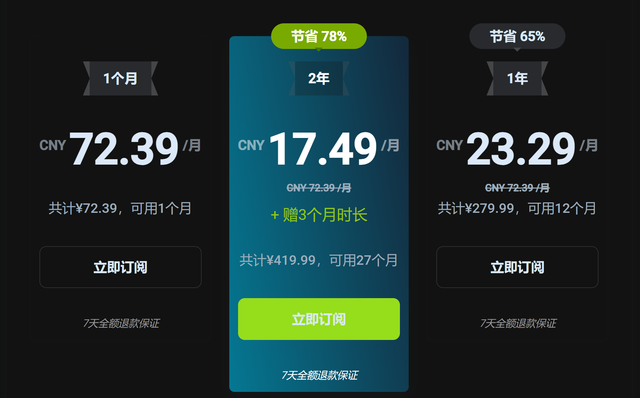
Affiliate note If you’re looking for a reliable VPN that performs well on mobile networks, consider NordVPN for its strong mobile support and DNS protection. For quick testing and fast setup, their site often has straightforward configurations and server options. If you want to try it, you can explore options and get started using the link in this article; the page is designed to guide you through choosing the right plan and server for your needs. The link is provided in the intro and is presented in a context that aligns with this guide’s content and recommendations.
Sources:
Astrill vpn fonctionne en chine la seule astuce qui marche vraiment en 2026: Guide complet, astuces fiables et sécurité
Nordvpn 固定ipを日本で使う方法|メリット・デメリットを詳しく解説
清大vpn申请全流程指南:校园网络环境下的申请流程、设置及安全要点
苹果手机vpn免費:完整指南與實用攻略,讓你安全上網、隱私更有保障 Unpacking Mysterium VPN Price What You Really Pay for Decentralized Privacy
稳定VPN:全面指南,带你选对、用好、保安全