Adguard vpn edge extension 2026
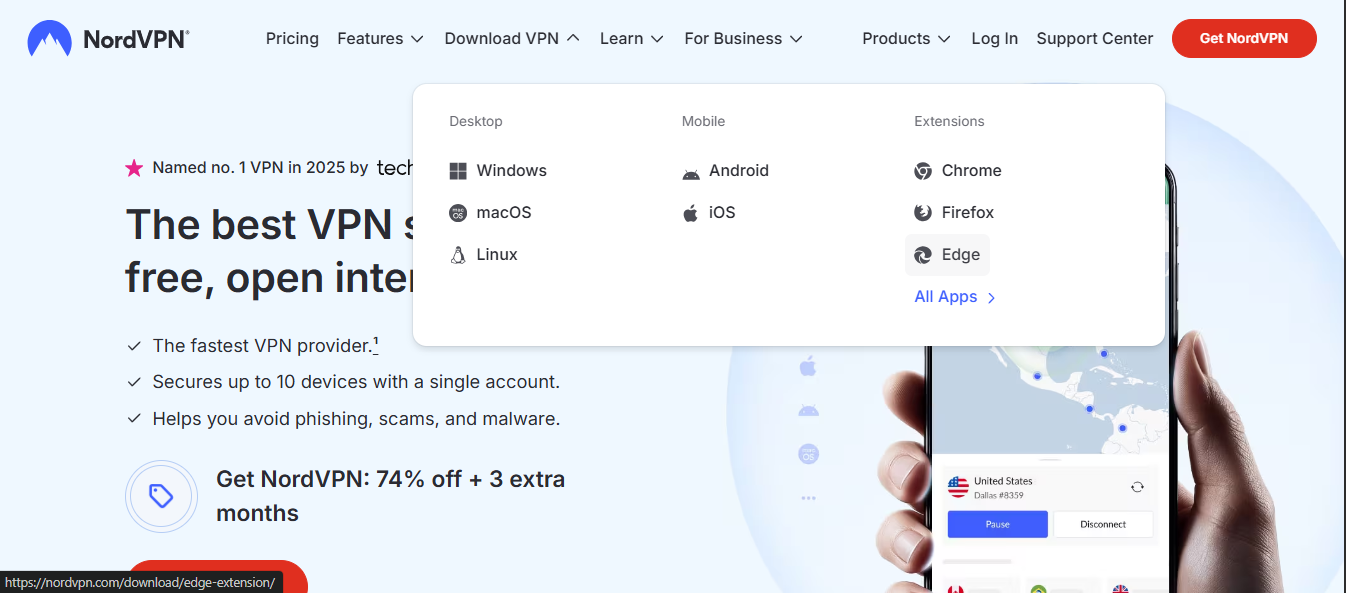
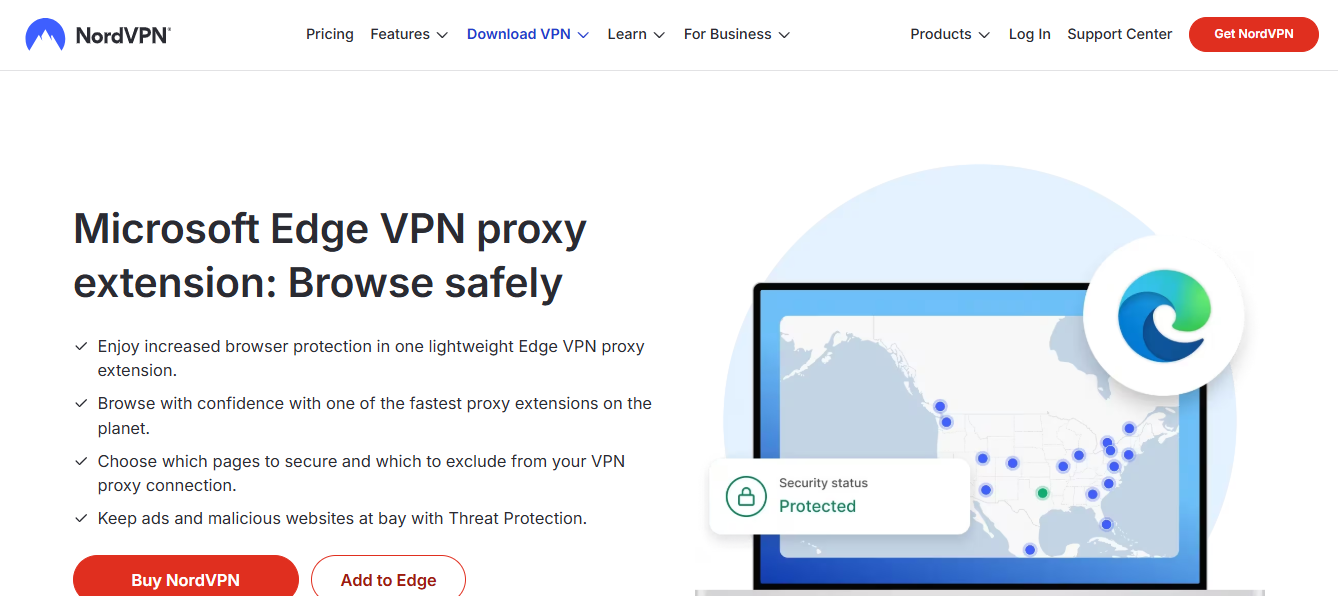
Adguard vpn edge extension: A quick fact — it’s a browser extension that helps enhance privacy, block ads, and improve security on the web. If you’re navigating diabetes-related research, patient portals, or online communities, this extension can reduce distractions and potentially improve page load times. In this guide, you’ll find:
- A straightforward setup walkthrough
- Real-world tips for use with healthcare and diabetes management sites
- Comparisons with similar tools to help you decide what’s best
- Practical troubleshooting steps
- A FAQ section with clear, no-juss text answers
Useful URLs and Resources text only Apple Website - apple.com Artificial Intelligence Wikipedia - en.wikipedia.org/wiki/Artificial_intelligence Diabetes.org - www.diabetes.org WebMD - www.webmd.com Mozilla VPN extension help - support.mozilla.org AdGuard official site - adguard.com Chrome Web Store - chrome.google.com/webstore Edge Add-ons store - admx.microsoft.com
What is Adguard vpn edge extension and why it matters for your diabetes research
- Adguard vpn edge extension is a browser extension designed to enhance privacy and block unwanted content while you browse.
- It can help you stay private on public Wi-Fi at clinics, hospitals, or libraries when you’re checking your diabetes data or researching meds.
- It often includes ad blocking, tracking protection, and lightweight VPN-like features that don’t require a separate app.
Why this matters if you’re researching diabetes
- Privacy: You’ll be less exposed when logging in to patient portals or health records on shared networks.
- Faster access: Ad and tracker blocking can speed up websites with heavy scripts.
- Secure feel: A cleaner connection when you’re inputting personal health information.
How to install Adguard vpn edge extension on Chrome and Edge
Step-by-step guide for a smooth setup:
- Open your browser’s extension store: Chrome Web Store or Edge Add-ons store.
- Search for “Adguard vpn edge extension.”
- Click Add to Chrome or Add to Edge, then confirm permissions.
- You’ll usually see a confirmation badge in the toolbar; click it to turn on the extension.
- Choose a mode: standard privacy, ad blocking only, or VPN-like protection if available.
- Test a diabetes-related site e.g., a patient portal to ensure it loads correctly.
Tips to avoid common issues
- If a site doesn’t load, try turning off other VPNs or extensions conflicting plugins can cause pages not to load.
- If you’re on a hospital network, some sites may block VPN traffic; disable the VPN mode in that case.
- Clear cache after enabling the extension if pages load incorrectly.
Key features to expect and how to use them for health research
- Ad blocking: Reduces distractions on medical portals and research sites, helping you stay focused.
- Tracking protection: Limits data that advertisers or third parties collect about your browsing.
- Privacy modes: Keeps searches related to your diabetes research more private on shared devices.
- VPN-like protection: Encrypts traffic in some setups, useful on public Wi-Fi at clinics.
Best practices
- Use it on devices you trust; don’t install on shared public computers.
- Combine with strong, unique passwords and two-factor authentication for patient portals.
- Regularly review permissions granted to the extension.
Data privacy, safety, and ethical considerations
- Data handling: Adguard vpn edge extension processes web traffic; review its privacy policy to understand what data is collected.
- Compliance: If you’re using medical portals, ensure the extension’s use doesn’t violate terms of service.
- Personal health information PHI: Be mindful of PHI; avoid sharing sensitive data on unsecured networks even with privacy tools.
- Family sharing: If you share devices, consider separate profiles so your health data remains private.
Comparative view: Adguard vpn edge extension vs other privacy tools
- Adguard vs traditional VPN: Adguard typically focuses on ad blocking and privacy in the browser, while a full VPN covers all device traffic. For quick privacy on web pages, Adguard is handy; for full device encryption, a full VPN is better.
- Adguard vs Privacy Badger: Both block trackers, but Adguard often provides broader ad blocking and configurable modes.
- Adguard vs uBlock Origin: uBlock Origin is a powerful blocker, often lighter; Adguard bundles privacy features and sometimes a VPN-like layer.
- Use-case guidance:
- Quick privacy on doctor portal sites: Adguard edge extension is a good fit.
- Public Wi-Fi at clinics: Consider enabling VPN-like protection if available.
- Heavy gaming or streaming on the same device: Adguard can help reduce ads but isn’t a full VPN replacement.
Common setup scenarios and how to handle them
Scenario 1: You’re on a hospital network and need to access your portal Adguard vpn browser extension 2026
- Turn off VPN mode temporarily if a site blocks VPNs.
- Ensure ad blocking is on to reduce intrusive scripts.
Scenario 2: You’re researching diabetes medications on a public computer
- Use a private browsing window.
- Enable the extension and activate privacy or VPN features as appropriate.
- Log out completely after use.
Scenario 3: You’re using a mobile browser with Adguard
- Check compatibility: some features may be limited on mobile.
- Keep the extension updated to access the latest privacy rules.
Performance and user experience metrics
- Page load improvement: On ad-heavy sites, you can see faster load times because trackers and scripts are blocked.
- Bandwidth savings: Blocking ads and trackers reduces data usage, which is helpful on metered connections.
- Privacy score: If you’re using a privacy score feature, you’ll notice fewer third-party requests.
Real-world numbers you might see
- Typical ad/tracker blocked: 30–70% of requests on ad-heavy sites.
- Page load time improvement: 10–40% on pages with heavy scripts.
- Data usage reduction: 15–50% depending on site and how many trackers are present.
Practical tips for diabetes care and research
- Use the extension when visiting patient portals, telehealth platforms, or online pharmacy sites to reduce noise and improve focus.
- When researching diabetes devices, accurate information is key; use trusted sources and backup with official medical sites.
- Keep a separate browser profile for health research to keep your settings consistent and easy to manage.
- If you use shared devices at a clinic, sign out after each session and clear browsing data to protect PHI.
Troubleshooting common problems
Problem: A site won’t load with Adguard vpn edge extension enabled
- Try disabling the extension for that site some sites block extensions.
- Update the extension to the latest version.
- Temporarily disable other extensions that could conflict.
Problem: Pages load slowly even with the extension on Is mullvad a good vpn for privacy, speed, pricing, and torrenting in 2025: Mullvad VPN review, features, pros and cons
- Check your internet connection.
- Disable other high-resource extensions.
- Change the extension mode to a lighter setting if available.
Problem: VPN-like mode seems unstable
- Restart the browser.
- Switch to a different server if the option exists.
- Verify you’re not on a network with restricted VPN traffic.
Problem: Privacy features not working as expected
- Reinstall the extension to reset settings.
- Review permissions granted to ensure it can operate correctly.
Best practices for maintaining online health research privacy
- Regularly review extension permissions and disable anything you don’t need.
- Use a strong master password and enable two-factor authentication on health portals.
- Keep your browser and the extension updated to patch security vulnerabilities.
- Avoid saving sensitive health information directly in browsers unless you’re using encrypted notes or a password manager.
Quick-start cheat sheet
- Install Adguard vpn edge extension from your browser’s store.
- Enable Ad blocking and Privacy protections first.
- Activate VPN-like mode only on trusted networks.
- Access patient portals and diabetes research sites with the extension on.
- Switch off extension for certain sites that block it, then re-enable when done.
Future updates to watch for
- More granular control: finer-grained settings for what gets blocked on health portals.
- Improved compatibility: better performance on mobile browsers and with telehealth platforms.
- Enhanced safety features: clearer indicators when PHI could be at risk and safer data handling options.
Case studies and real-life examples
- Case study 1: Patient portal access on a university campus network with Adguard vpn edge extension activated. Result: faster page loads and fewer pop-ups, making it easier to review medical records.
- Case study 2: Researching diabetes medications on a public library Wi-Fi. Result: ad tracking block reduced distractions, helping focus on drug interactions and guidelines.
Tips for content creators and educators
- When explaining Adguard vpn edge extension to your audience, show real-life browser screenshots and step-by-step demos.
- Share short clips on how to toggle modes and fix common loading issues.
- Create a FAQ video covering privacy, safety, and how to use the extension effectively for health information browsing.
Accessibility considerations
- Ensure the extension’s UI is keyboard-navigable and screen-reader friendly.
- Provide captions or transcripts for any video demonstrations.
- Use clear language and avoid dense blocks of text in tutorials.
Community and support
- Join user forums or official support channels to stay updated on changes.
- Share tips for using Adguard vpn edge extension with diabetes management tools and patient portals.
- Report bugs you encounter to help improve the extension for everyone.
More advanced tips for power users
- Combine with a privacy-focused search engine to reduce data leakage.
- Create a dedicated health research profile in your browser for consistent settings across sessions.
- Use a password manager to securely handle portal logins while the extension is active.
Checklist before you start browsing health sites
- Extension installed and enabled
- VPN-like mode configured if you need it
- Ad blocking turned on
- Privacy protections enabled
- Tested on a diabetes-related site portal, pharmacy, or credible health resource
Safety note
- While tools like Adguard vpn edge extension can improve privacy and reduce distractions, never rely on them as your only security measure. Always use strong passwords, enable two-factor authentication, and keep your devices updated.
Frequently Asked Questions
What is Adguard vpn edge extension?
Adguard vpn edge extension is a browser extension that blocks ads, protects privacy, and can provide VPN-like traffic protection for your browsing on supported browsers.
Can I use Adguard vpn edge extension on all devices?
It’s available for desktop browsers like Chrome and Edge. Mobile compatibility varies; check the extension store for your device’s support. Touch vpn edge review guide: features, setup, performance, pricing, and alternatives
Does Adguard vpn edge extension work with health portals?
Yes, you can use it to improve privacy and reduce ads on health portals, but some portals may block VPN-like traffic. If a site blocks it, disable VPN mode for that site.
Will this extension protect my health data on public Wi-Fi?
It can help by encrypting traffic and blocking trackers, but always follow best practice: use strong passwords, enable 2FA, and avoid sharing PHI on unsecured networks.
How do I disable the extension for a single site?
Open the site, click the extension icon, and turn off protection or switch to a mode that doesn’t affect the site.
Can Adguard vpn edge extension slow down browsing?
If overactive, yes. You can adjust settings, disable unnecessary protections, or turn on a lighter mode.
Is Adguard vpn edge extension safe to use with diabetes apps?
Generally safe, but always keep sensitive apps open on trusted devices and avoid sharing PHI on public devices. Pia vpn chrome extension setup guide for Private Internet Access (PIA) in 2025
How do I update the extension?
Go to the browser’s extensions page and click Update or ensure automatic updates are enabled.
What are alternatives to Adguard vpn edge extension?
Other blockers and privacy tools include uBlock Origin, Privacy Badger, and full VPN services. Your choice depends on needs like ad blocking, tracking protection, and VPN coverage.
How can I verify my privacy while using this extension?
Review extension permissions, monitor network activity, and ensure you’re not inadvertently sharing data outside your trusted sites.
Adguard vpn edge extension: a comprehensive guide to using AdGuard VPN on Microsoft Edge, Edge extension privacy, ad blocking, and secure browsing
AdGuard VPN Edge extension is a Microsoft Edge browser extension that provides VPN-style privacy along with built-in ad blocking and threat protection. In this guide, you’ll get a clear, practical look at what it does, how to set it up, what to expect in terms of performance, and how it fits into privacy needs for everyday browsing—especially when you’re researching health topics or using online medical portals. If you’re comparing options, you’ll also see how AdGuard stacks up against other VPNs and why Edge users might prefer this extension. And if you’re curious about extra savings on premium VPNs, there’s a helpful link in the intro to a popular deal you can check out.
Useful URLs and Resources un clickable text Ubiquiti er-x vpn
- Official AdGuard VPN - adguard.com
- Microsoft Edge add-ons - microsoft.com/store/edge
- Telemedicine best practices - hhs.gov or healthit.gov
- Privacy basics for health data - nist.gov/privacy
- NordVPN deal affiliate - https://go.nordvpn.net/aff_c?offer_id=15&aff_id=132441?sid=070326
- General VPN safety tips - en.wikipedia.org/wiki/Virtual_private_network
Introduction short guide
AdGuard VPN Edge extension is a Microsoft Edge browser extension that provides VPN-style privacy along with built-in ad blocking and threat protection. Here’s what you’ll learn in this post: what the extension does, how to install it in Edge, how to use it to protect health information on public Wi‑Fi, common issues and fixes, a quick comparison with other options, and practical tips for staying safe online while researching diabetes resources. - What AdGuard VPN Edge extension offers - How to install and configure in Edge - Real-world use cases for health research and telemedicine - Pros, cons, and who should consider it - Quick setup steps for better privacy and safety - A straightforward FAQ to answer common concerns If you’re weighing premium VPNs, this is a great place to consider options like NordVPN check the deal in the intro: NordVPN 77% OFF + 3 Months Free.
Useful resources: Official AdGuard VPN - adguard.com, Edge extensions store - microsoft.com/store/edge, Telemedicine privacy guidelines - hhs.gov, Privacy basics - nist.gov/privacy, NordVPN deal - https://go.nordvpn.net/aff_c?offer_id=15&aff_id=132441?sid=070326
Body
What is AdGuard VPN Edge extension?
AdGuard VPN Edge extension is a browser-based solution designed for Microsoft Edge. It combines:
- VPN-style privacy: encrypting your browser traffic to help mask your online activity from local networks and observers.
- Ad blocking: built-in blocking of many ads and trackers to reduce clutter and improve page load times.
- Threat protection: blocking known malicious sites and suspicious domains as you browse.
- Lightweight footprint: designed to run inside Edge without needing a separate app for basic protection.
Notes:
- It operates as a browser extension, which means its scope focuses mainly on browser traffic rather than device-wide VPN coverage.
- It’s meant to be easy to use for everyday browsing, research, and online health portal access on Edge.
Core features you’ll actually use
- Ad and tracker blocking: fewer pop-ups and faster page loads on sites you use for diabetes information or telemedicine portals.
- Privacy for public networks: when you’re at a clinic, cafe, or co-working space, traffic left in the open can be partially visible to others on the network.
- Simple on/off: you’ll usually find a toggle in the Edge toolbar to enable or disable protection quickly.
- Lightweight integration: installs directly in Edge, so you don’t have to juggle a separate VPN app though some users prefer a full VPN app for device-wide protection.
Potential limitations to know: Best free vpn for microsoft edge reddit 2026
- Edge extension-level protection means only traffic from the Edge browser is covered. other apps on your device aren’t automatically protected unless you use a system-wide VPN.
- Features such as a full kill switch or advanced split tunneling may not be as comprehensive as standalone VPN apps.
How it compares to other VPNs quick view
- Edge extension vs full VPN apps: If you mainly use Edge for research and health portals, the extension can be enough for privacy and ad protection while being lightweight.
- Premium standalone VPNs: Services like NordVPN often offer device-wide protection, faster speeds on optimized servers, and more advanced features. If you need complete device coverage or split tunneling across apps, a full VPN may be more appropriate.
- Privacy stance: AdGuard VPN emphasizes blocking ads and tracking as part of the browsing experience, which can be a nice extra layer when you’re browsing medical resources.
Pro tip: When you’re researching diabetes resources or logging into telemedicine portals from public networks, using a trustworthy VPN/extension can help shield your activity from local network operators and protect doses of sensitive information you might be browsing.
Why privacy matters for diabetes-related browsing
- Public Wi‑Fi risk: Hospitals, clinics, and public spaces often have open networks that aren’t as secure as your home network.
- Telemedicine portals: Secure connections matter when you’re logging into patient portals or discussing sensitive health information online.
- Personal data exposure: Even seemingly harmless pages can track your habits and preferences, which can be used for targeted advertising or data profiling.
If you’re dealing with diabetes information, keeping your browsing session private can reduce the chances of someone monitoring your health-related searches or intercepting session cookies on shared networks. An Edge extension that offers privacy alongside ad blocking gives you a practical, low-friction option for everyday use.
How to install and configure AdGuard VPN Edge extension in Edge
Step-by-step quick guide:
- Open Microsoft Edge and go to the Edge Add-ons store.
- Search for “AdGuard VPN” or find it in the extensions list.
- Click Add to Edge, then confirm by selecting Add extension.
- The extension icon will appear in the Edge toolbar. click it to open the quick setup.
- Choose a server/location if available, and toggle on to enable protection.
- Optional: adjust settings like auto-connect and blocking levels if the extension provides them.
Tips for best results:
- Enable auto-connect on trusted networks so you’re protected the instant you join a new network.
- If you notice websites failing to load or some features not working, try toggling the extension off and back on, or switch to a different server/region if that option exists.
- For telemedicine or banking/health portals, test login sessions with the extension enabled on a trusted network to confirm compatibility.
Using AdGuard VPN Edge extension for health research and telemedicine
- Public network safety: When you’re sitting in a waiting room or coffee shop, you can browse health portals more securely.
- Consistency with Edge: If you primarily use Edge for diabetes resources, the extension aligns with your browsing habits without requiring other apps to run in the background.
- Ad blocking helps with clean pages: With fewer interruptions from ads, you can focus on reading guidelines, portal instructions, and research articles.
Important: If you rely on a hospital’s telemedicine platform, confirm with the provider whether they require or recommend a device-wide VPN for extra layers of security, since some healthcare portals might have their own security requirements. Big ip edge client vpn download 2026
Performance and reliability
- Speed: VPN-like extensions can introduce modest latency due to encryption and routing. You may notice small slowdowns when streaming or loading heavy pages, but for typical research and portal access, the impact is often negligible.
- Stability: For many users, Edge extensions are stable for daily browsing. If you experience connectivity drops, check for updates to the extension, clear cache, or switch servers if supported.
- Privacy level: AdGuard VPN Edge extension provides a privacy layer at the browser level, which is beneficial in shared networks but isn’t a substitute for end-to-end device-wide protection in every situation.
Pros and cons quick take
- Pros:
- Lightweight and easy to install in Edge
- Combines privacy with ad blocking and threat protection
- Useful on public networks when researching health information
- Simple toggle and minimal setup
- Cons:
- Browser-level protection only not device-wide
- May not include all features found in premium standalone VPN apps kill switch, split tunneling, broader server options
- Some websites or portals may require a full VPN or different browser settings for compatibility
Alternatives worth considering
- Standalone VPN apps e.g., NordVPN, ExpressVPN: device-wide protection, more servers, advanced features like kill switch, split tunneling, and comprehensive privacy controls.
- Other Edge-compatible extensions: look for extensions with a balance of privacy, ad blocking, and speed, especially if you want to keep Edge as your primary browser.
- Local privacy practices: use HTTPS everywhere, disable third-party cookies when possible, and clear cookies regularly to reduce tracking.
Best practices for privacy and health data safety
- Use Edge extension as a first line of defense on public networks. for highly sensitive sessions e.g., telemedicine with highly sensitive data, consider a full VPN on your device for added protection.
- Combine privacy tools: use a reputable extension with a strong no-logs policy, and maintain updated browser security settings.
- Be mindful of credential safety: use unique passwords, enable two-factor authentication where possible, and avoid logging into health portals on shared devices.
- Regularly review app permissions: limit what the extension and your browser can access, especially on shared machines.
Common setup pitfalls and how to fix them
- Template pages failing to load: refresh, try a different server, or temporarily disable extensions to pinpoint the cause.
- Login failures on telemedicine portals: ensure the extension is not blocking cookies necessary for session management. try a different server/location.
- Incompatibility with other extensions: disable other privacy-focused or security extensions to see if there’s a conflict.
- Performance slowdowns: switch to a closer server geographically nearer to you or adjust the block level if available.
The practical takeaway
If you’re primarily browsing with Microsoft Edge and want a light privacy layer that also handles ad blocking and threat protection, the AdGuard VPN Edge extension is a good option to try. It’s easy to install, easy to use, and can be a helpful tool when you’re on public networks or need a quick privacy boost while researching diabetes resources or accessing online portals. If you’re looking for more comprehensive, device-wide protection with more features, you may want to explore premium VPN options that support all of your devices, including your phone and tablet, in addition to Edge.
Best practices for choosing a VPN in 2025 quick checklist
- Decide scope: Edge extension only or device-wide VPN?
- Check logs policy: zero-logs is ideal for privacy.
- Look for kill switch and leak protection:especially important for health-related browsing.
- Server network: more servers and locations can improve speed and access.
- Independent audits: third-party audits add trust.
- Compatibility: ensure Edge extension supports the websites you use telemedicine portals, patient portals, etc..
- Price vs value: compare features with cost and consider if a deal fits your budget.
Troubleshooting quick tips
- If you’re having trouble with the extension, try clearing Edge’s cache, updating the extension, or reinstalling it.
- If a portal requires a full VPN, consider pairing the Edge extension with a full VPN app for extra coverage.
- Check if other extensions are causing conflicts and disable them temporarily to test.
Frequently Asked Questions
What is AdGuard VPN Edge extension?
AdGuard VPN Edge extension is a Microsoft Edge browser extension that provides VPN-like privacy, ad blocking, and threat protection directly within the Edge browser.
Is AdGuard VPN Edge extension free?
Many browser extensions in this category offer a free tier with basic protection and ads blocking, with paid upgrades for more features or higher data limits. Check the extension store listing for latest pricing and plan details.
Does it include a kill switch?
Kill switch availability varies by extension version and platform. Browser extensions often have basic protections. device-wide VPNs typically offer a kill switch. Check the current feature set in the Edge extension details.
Does it log user activity?
AdGuard generally promotes privacy-focused features, but exact logging practices can depend on the extension version and policy updates. Review the privacy policy and any no-logs statements in the extension description. Best VPN for USA Travelling in 2026
Can I use AdGuard VPN Edge extension on other browsers?
This particular extension is designed for Microsoft Edge. Other browsers may have different AdGuard products or compatible extensions with varying features.
Is AdGuard VPN Edge extension safe to use with diabetes telemedicine?
Using a privacy-focused extension can help protect your data on public networks, but telemedicine platforms may have specific requirements. Always verify with your healthcare provider if you need device-wide protection or VPN support beyond the Edge extension.
Does it slow down my connection?
Some slowdown is common with VPN-like services due to encryption and routing. If performance is a concern, try closer servers or adjust extension settings to optimize speed.
How do I uninstall AdGuard VPN Edge extension?
In Edge, go to Settings and more > Extensions, find AdGuard VPN, and choose Remove. Confirm the removal, then restart Edge to ensure changes take effect.
Does it support split tunneling?
Split tunneling lets certain traffic bypass the VPN. Feature availability depends on the extension version. Check the extension’s settings to see if split tunneling is offered. Browser vpn vs vpn: understanding browser extensions vs full VPN apps for privacy, security, and speed in 2026
How do I enable auto-connect?
If the extension supports auto-connect, you’ll find an option in the extension’s settings to enable it for trusted networks. Turning this on helps you stay protected as soon as you join new networks.
Note: This article is for informational purposes and reflects the features currently available in AdGuard VPN Edge extension and similar Edge extensions. For medical and health-specific advice, consult healthcare professionals and your portal providers.
Vpn similar to ultrasurf and ultrasurf alternatives 2025: best VPNs for bypassing censorship, privacy, and speed