How Do I Get a Surfshark VPN Certificate: Quick Guide, Tips, and Where It Fits in Your Security Plan
How do i get a surfshark vpn certificate? Here’s the quick answer: Surfshark VPN certificates aren’t user-issued like SSL/TLS certificates you’d get for a website. Surfshark uses its own device-authentication and licensing mechanisms, and you don’t manually obtain a certificate to use the service. Instead, you install the Surfshark app, sign in with your account, and you’re ready to go with built-in encryption and device security. If you’re unsure where certificates come into play, think of them as part of a broader picture: account authentication, app integrity, and secure connections.


Quick facts:
- Surfshark uses AES-256-GCM encryption with 4096-bit server handshakes for strong security.
- There’s no separate user-visible “certificate” you need to install for typical consumer use.
- Certificate-like protections come from Surfshark’s licensing, server validation, and app verifications behind the scenes.
If you want a deeper dive, you’ll find sections below with practical steps, troubleshooting, and best practices. And for those who like quick actions, here are useful resources you might want to keep handy text, not clickable links: Surfshark official site, Surfshark support documentation, YouTube tutorials on Surfshark setup, VPN best practices for privacy and security, General SSL/TLS certificate basics for context. Apple Website - apple.com, Artificial Intelligence Wikipedia - en.wikipedia.org/wiki/Artificial_intelligence, Privacy and Security Guide - privacyguidance.org
Table of contents
- What is a Surfshark VPN certificate, really?
- How Surfshark handles authentication and device protection
- Setting up Surfshark: step-by-step guide
- Understanding the difference between VPN certificates and app authentication
- Common issues and quick fixes
- Advanced tips for power users
- Real-world use cases and data
- FAQ
What is a Surfshark VPN certificate, really?
When people say “VPN certificate,” they’re often thinking about SSL/TLS certificates or client certificates used in enterprise environments. For a consumer VPN like Surfshark, you won’t typically generate or install a VPN certificate manually. Surfshark relies on:
- Client-side app authentication: you sign in with your Surfshark account.
- Server identity checks: the app verifies the VPN server’s identity to prevent impersonation.
- Strong encryption: your data is encrypted with modern ciphers to prevent eavesdropping.
- Device-based licensing and secure app integrity checks to ensure you’re using an unmodified app.
In short, there isn’t a standalone certificate you obtain or install for regular Surfshark usage. The security envelope is built into the app and the service backend.
How Surfshark handles authentication and device protection
- Account-based access: Your Surfshark account credentials are what grant access to the service on any device.
- Multi-device licensing: Surfshark allows multiple simultaneous connections, controlled by your subscription plan.
- App integrity and updates: Regular updates ensure you’re protected against new threats; the app checks for tampering and tamper-resistance.
- Server validation: When you connect, the app validates the server’s identity and negotiates a secure tunnel.
Why this matters: it keeps your connection private without requiring you to manage certificates manually. It also simplifies your setup while maintaining strong security guarantees.
Setting up Surfshark: step-by-step guide
- Create a Surfshark account
- Go to Surfshark’s website and sign up.
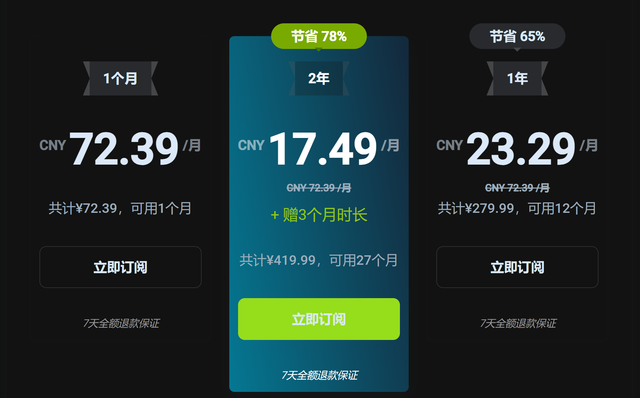
- Choose a plan that fits your needs monthly, yearly, or longer discounts.
- Install the Surfshark app on your device
- Available for Windows, macOS, Linux, iOS, Android, Android TV, and some routers.
- Download from the official source to avoid spoofed apps.
- Sign in and authorize devices
- Open the app and log in with your Surfshark account.
- If prompted, allow any device authorization requests.
- Connect to a server
- Browse the server list and pick a location based on speed, latency, or streaming needs.
- The app will establish a secure tunnel automatically using strong encryption.
- Customize settings for your needs
- Choose protocol WireGuard is common for speed and security; OpenVPN options exist on some platforms.
- Enable Kill Switch, CleanWeb ad/ malware blocking, and other security features as desired.
- Set auto-connect rules for trusted networks.
- Verify your connection
- Check the VPN status indicator in the app.
- Use an online IP check to confirm your public IP appears as the server’s location.
- Optionally run a DNS leak test to ensure DNS requests are routed through Surfshark.
- Regular maintenance
- Keep the app updated.
- Review device permissions and privacy settings.
- Reauthenticate if you notice unusual login activity.
Tips:
- If you’re streaming, pick a server optimized for streaming if available.
- For gaming, try nearby servers to reduce latency.
- Use the Kill Switch to prevent leaks if the VPN disconnects unexpectedly.
Understanding the difference between VPN certificates and app authentication
- VPN certificate enterprise context: A digital certificate used to verify identity between client and server, often issued by an internal CA. Used in mutual TLS setups.
- Surfshark consumer use: There’s no user-generated certificate you install. You rely on the app’s built-in security and the service’s certificate management on the server side.
What you actually gain: Norton vpn region not working heres how to fix it fast: Quick fixes, tips, and VPN alternatives to get you back online
- End-to-end encryption between your device and Surfshark servers.
- Obfuscated server connections if you enable certain privacy features.
- Device-wide protection with a focus on user experience and ease of use.
Common issues and quick fixes
- Cannot connect to Surfshark
- Check your internet connection first.
- Restart the app and try a different server location.
- Verify you’re using the latest app version.
- If using a firewall or antivirus, ensure Surfshark isn’t blocked.
- DNS leaks detected
- Enable DNS leak protection in the app settings.
- Switch to a different server location and re-test.
- Restart your device if leaks persist.
- Kill Switch not engaging
- Ensure the feature is turned on in settings.
- Test by disconnecting from the VPN to see if traffic stops as expected.
- If you’re on a platform with strict network rules, adjust the app’s permissions.
- Slow speeds
- Try a nearby server or switch protocols e.g., from OpenVPN to WireGuard.
- Check device performance and background apps consuming bandwidth.
- Use LAN instead of Wi-Fi if possible for a quick speed check.
- Connection drops
- Auto-connect on startup can help maintain continuous protection.
- Update network drivers and app to the latest version.
- Check for conflicting VPNs or security software.
Advanced tips for power users
- Split tunneling: Route only selected apps through Surfshark to optimize speed and access local services.
- Obfuscated servers: Useful in restrictive networks e.g., schools, workplaces to bypass throttling or blocking.
- Protocol choice: WireGuard generally offers better speed and modern security; OpenVPN provides broad compatibility.
- Router setup: Install Surfshark on a compatible router for device-wide VPN protection without installing on every device.
- Privacy hygiene: Use strong, unique passwords for your Surfshark account; enable 2FA if available.
- Audit your connections: Periodically review connected devices in your Surfshark account and revoke access for unused devices.
Real-world use cases and data
- Privacy-minded travelers use Surfshark to avoid geo-blocks and maintain confidentiality on public Wi-Fi.
- Remote workers benefit from secure access to company resources when a corporate VPN isn’t available or practical.
- Streamers leverage Surfshark to access geo-restricted libraries while maintaining smooth playback with WireGuard or other fast protocols.
- Small business owners use Surfshark to protect multiple employees’ devices without heavy IT overhead.
Key stats to consider general VPN context, not Surfshark-only:
- AES-256 encryption is industry standard for strong security.
- OpenVPN and WireGuard remain the most common VPN protocols used across consumer VPNs.
- Multi-device usage often ranges from 5 to 10 simultaneous connections depending on the plan.
- DNS and IP leaks are among the top reported issues in VPN usage; proper settings significantly reduce leakage risk.
FAQ
How do i get a surfshark vpn certificate
Surfshark doesn’t require a user-issued VPN certificate. You don’t need to download or install a separate certificate to use Surfshark. Instead, you sign in to the Surfshark app and connect to its servers, which handles authentication and encryption behind the scenes.
Do I need to generate a certificate for Surfshark?
No. Consumer use doesn’t involve generating or installing VPN certificates. Surfshark manages server identity and encryption as part of the service.
Can Surfshark work without an internet connection?
No. A live internet connection is required to reach Surfshark servers and establish a VPN tunnel.
Is Surfshark compatible with all devices?
Surfshark supports many platforms, including Windows, macOS, Linux, iOS, Android, and some routers. Check the official site for current device availability. La vpn si disconnette spesso ecco perche succede e come risolvere definitivamente
How do I verify Surfshark’s server identity?
The app automatically verifies the server’s identity during the handshake. You don’t need to do manual checks; just connect and ensure the connection is active.
What protocols does Surfshark use?
Surfshark typically offers WireGuard and OpenVPN variants on supported platforms. WireGuard is usually faster; OpenVPN offers broader compatibility in some cases.
How can I improve VPN speed?
Choose a nearby server, switch to a faster protocol like WireGuard, and reduce background network usage. If your router supports it, consider a wired connection for best performance.
What is Kill Switch and how does it work with Surfshark?
Kill Switch blocks all internet traffic if the VPN connection drops, preventing data leaks. Enable it in the app’s settings.
Can Surfshark block malware or ads?
Surfshark has features like CleanWeb that help block ads and malware while browsing. Nordvpn what you need to know about your ip address and ranges
How many devices can I connect simultaneously?
The number depends on your plan. Most plans support multiple simultaneous connections; check your subscription details in the account dashboard.
Is two-factor authentication available for Surfshark?
Some providers offer 2FA; check Surfshark account settings for availability and setup options.
How do I contact Surfshark support?
Visit the official Surfshark support page in the app or on their website. They offer live chat and email support.
Can I use Surfshark on a VPN router?
Yes, Surfshark supports router configurations on many models. This allows you to protect all devices on your network without installing the app on each device.
Does Surfshark log user activity?
Surfshark publishes a no-logs policy, but you should review their privacy policy for the latest details on data handling and retention. Como activar una vpn en microsoft edge guia completa y sencilla para tu navegador: optimizada, paso a paso y tips útiles
Are there any potential downsides to using Surfshark?
As with any VPN, you may experience occasional speed fluctuations, especially on distant servers or under heavy network load. It’s worth testing multiple servers and protocols to find the best balance of speed and security for your needs.
What should I do if I forget my Surfshark password?
Use the “Forgot password” option on the sign-in page to reset your password via email. Enable 2FA if available for added protection.
How often should I update the Surfshark app?
Keep the app updated to the latest version to ensure you have the latest security fixes and features.
Can I use Surfshark on public Wi-Fi networks?
Yes, Surfshark is especially useful on public Wi-Fi to protect your data from prying eyes.
Is Surfshark safe for torrenting?
Surfshark supports P2P on certain servers. Always check the server list and local laws before torrenting and use legal, safe sources when possible. 초보자도 쉽게 따라 하는 미꾸라지 vpn 사용법 완벽 가이: VPN 설치에서 속도 최적화까지 한눈에 보는 실전 팁
Resources and further reading
- Surfshark Official Website - surfshark.com
- Surfshark Support Center - support.surfshark.com
- VPN Protocols Explained - en.wikipedia.org/wiki/Virtual_private_network
- TLS/SSL Certificates Basics - en.wikipedia.org/wiki/Transport_Layer_Security
- Privacy Best Practices - privacyguidance.org
- Online Security Tips - us-cert.gov
- Streaming VPN Use Cases - some streaming service help pages
- Networking Basics for Beginners - thenetworkguide.org
- Cybersecurity News and Trends - darkreading.com
- User Experience Tips for VPNs - youtubers and tech bloggers
Frequently Asked Questions
- How do i get a surfshark vpn certificate
- Do I need any certificate to use Surfshark
- How to set up Surfshark on Windows
- How to set up Surfshark on iOS
- Can I use Surfshark on a router
- How to troubleshoot connection issues with Surfshark
- What is the Kill Switch and how to enable it
- How to test for DNS leaks
- What protocols does Surfshark support
- How to contact Surfshark support
Sources:
Is vpn safe for gsa navigating security for federal employees and beyond
Does Proton VPN Cost Money Unpacking the Free and Paid Plans
免费加速器:VPN 如何提升上网速度、隐私与解锁地域限制的完整指南
电脑梯子免费永久:完整指南、实用技巧与常见误区 Лучшие бесплатные vpn для игр в 2026 году полный гид purevpn: обзор, выбор и практика
Esim步骤:手把手教你如何安装和激活esim,告别实体卡烦恼,完整指南:设备兼容性、获取 eSIM 配置、激活流程、跨设备切换、常见错误与修复、与实体卡对比、隐私与安全要点