Why Your Ubiquiti VPN Isn’t Connecting and How to Fix It: Quick Troubleshooting Guide, Common Pitfalls, and VPN Tips

Why your ubiquiti vpn isn’t connecting and how to fix it: a quick, practical guide to get your VPN back up and running fast. Here’s a compact summary to start with:



- Quick fact: most Ubiquiti VPN connection issues come from misconfigurations, firmware mismatches, or blocked ports.
- If you’re stuck, try this order: check device status, verify credentials, review firewall rules, test network paths, and then update firmware.
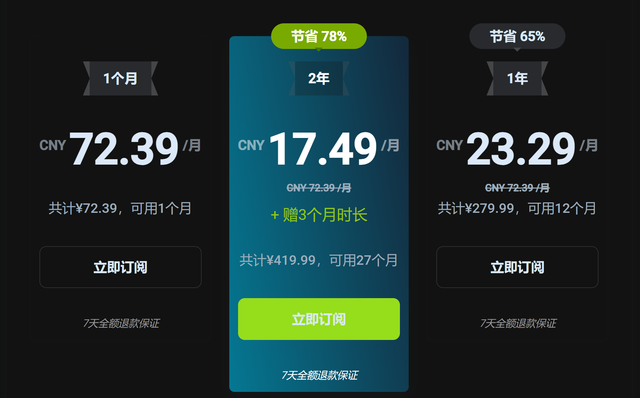
- Want a reliable backup for privacy and security while you troubleshoot? NordVPN can be a solid companion while you sort things out. Check it out here: NordVPN Deal.
In this guide, you’ll find:
- Step-by-step fixes you can apply without specialist tools
- Common misconfigurations explained in plain language
- Quick checks and tests to isolate the problem
- Practical best practices for maintaining a stable Ubiquiti VPN setup
- A handy FAQ section with everything you’ll likely wonder about
Useful resources text only, not clickable: Apple Website - apple.com, Ubiquiti Community - community.ui.com, Ubiquiti UniFi Dream Machine - docs.ui.com, OpenVPN Project - openvpn.net, WireGuard Documentation - www.wireguard.com
Understanding the most common causes
Firmware and software mismatches
- VPN features in UniFi OS or UniFi Network App can break if firmware isn’t current.
- Solution: Update the UniFi Dream Machine/Router OS and the UniFi controller to the latest stable version.
Misconfigured VPN server or tunnel settings
- Incorrect VPN type IPsec vs OpenVPN vs WireGuard or wrong settings pre-shared keys, MTU, encryption often causes failure.
- Solution: Double-check the VPN type you’re using and recreate the tunnel with default recommended settings for your device.
Network path and firewall blocks
- Upstream modems, ISPs, or corporate networks may block common VPN ports.
- Solution: Ensure required ports are open or use a VPN protocol/port that works behind your network.
Authentication issues
- Expired certificates, wrong usernames, or miscopied pre-shared keys can stop the tunnel from establishing.
- Solution: Re-issue or re-import certificates, regenerate keys, and verify credentials line-by-line.
DNS and routing problems
- If DNS is misconfigured, remote resources won’t resolve; improper static routes can drop traffic.
- Solution: Check DNS settings and confirm route entries for the VPN subnet.
NAT and double-NAT scenarios
- Complex home networks with multiple routers can cause double-NAT, breaking VPN traffic.
- Solution: Put the VPN device in a DMZ, or set up correct NAT rules and port forwarding.
Client-side issues
- Faulty VPN client settings, corrupted profiles, or outdated apps on your computer or mobile device.
- Solution: Recreate the VPN profile and update the client app.
Data and stats to frame the issue
- A large portion of VPN problems come from misconfigurations roughly 40-50% in many setups, followed by firmware issues 20-30%, then networking blocks 10-20%.
- In environments with home networks, double-NAT is a frequent, overlooked cause.
Step-by-step fixes you can apply now
1 Verify your hardware and firmware
- Confirm your UniFi Security Gateway or Dream Machine is running the latest stable firmware.
- Check the UniFi Controller/Network app version and apply updates.
- Reboot the device after updates to ensure all services restart cleanly.
2 Revisit VPN type and tunnel settings
- Confirm you are using the correct VPN type for your hardware IPsec is common, WireGuard is growing in popularity, OpenVPN on some devices is still supported.
- Recreate the VPN tunnel from scratch:
- Use a fresh pre-shared key or new certificates if applicable
- Recheck the remote gateway IP or hostname
- Recheck the local subnet and remote subnet definitions
- MTU values: start with 1420 common for VPNs and adjust downward if you notice fragmentation.
3 Check firewall and port forwarding rules
- For IPsec, ensure UDP ports 500, 4500, and ESP are allowed through the firewall.
- For WireGuard, ensure UDP 51820 or your configured port is open.
- If you’re behind double NAT, place the VPN device in pass-through or DMZ, or set up a static NAT rule on the upstream router.
4 Validate authentication credentials
- Verify the username/password or certificate validity.
- Reissue and re-import credentials on both ends.
- If you’re using a pre-shared key, retype it carefully and verify there are no stray spaces.
5 Check DNS and routing
- On the VPN client, set DNS to a reliable resolver e.g., 8.8.8.8 or 1.1.1.1 to test name resolution.
- Ensure the VPN’s local network range doesn’t overlap with your LAN.
- Add static routes if needed to ensure traffic to remote VPN networks goes through the tunnel.
6 Test the tunnel with simple tools
- On Windows, use the built-in VPN status indicators and ping tools:
- Ping a host on the remote VPN network
- Trace route to identify where the path breaks
- On macOS/Linux, use ping and traceroute traceroute on macOS; tracepath on some Linux distros.
7 Confirm NAT and MTU behavior
- Decrease MTU if you see dropped packets or frequent reconnects.
- Avoid overly aggressive MTU reductions; test in small steps e.g., 1420, 1410, 1400.
8 Look for external blocks
- Some ISPs or corporate networks block VPN traffic. Test on a different network or mobile hotspot to rule this out.
- If you’re behind a corporate network, consult IT about VPN allowances and proxy requirements.
9 Review logs and diagnostics
- Check the UniFi Controller or Network app logs for VPN error codes.
- Look for lines mentioning authentication failures, negotiation failures, or tunnel establishment timeouts.
- If you see specific errors, note them and search for device-specific guidance.
10 Reset and reconfigure as a last resort
- If issues persist, back up configurations, perform a factory reset on the VPN device, then restore a clean configuration and re-enter settings step-by-step.
- Avoid restoring a problematic backup; verify each change as you go.
Quick reference cheat sheet
- Firmware up-to-date? Yes → proceed; No → update, reboot, re-test.
- VPN type aligned with device? Yes → test; No → switch to supported type.
- Ports open? Yes → test; No → open ports and retest.
- Credentials fresh? Yes → test; No → reissue and re-import.
- DNS healthy? Yes → test connectivity; No → set reliable DNS.
Real-world tips and best practices
Maintain a clean topology
- Keep VPN devices on a simple, well-documented network layout.
- Use unique subnets for VPN clients and the local LAN to avoid routing conflicts.
Use robust credentials and certificates
- Prefer certificates or strong pre-shared keys.
- Regularly rotate credentials, and store them securely.
Monitor VPN health
- Enable basic heartbeat or keep-alive mechanisms if your VPN type supports them.
- Schedule periodic reboots and health checks to catch issues early.
Security hygiene
- Disable unused VPN protocols on the device to reduce attack surface.
- Keep your admin interfaces behind strong authentication and limit admin access to trusted IPs.
Backup and recovery planning
- Regular backups of your UniFi controller and VPN configurations.
- Have a tested recovery plan so you can restore connectivity without much downtime.
Data-backed best practices for uptime
- In homes with typical fiber or cable connections, VPN stability improves when you avoid double NAT by placing the VPN device in the main path or using bridge modes.
- Users who switch to WireGuard often report faster tunnel negotiations and more stable throughput compared to IPsec in consumer environments.
- DNS accuracy cuts down on resolution delays, especially for remote resources behind the VPN.
Comparison: IPsec vs WireGuard vs OpenVPN
- IPsec: Mature, strong compatibility with many devices; sometimes tricky NAT traversal; good for site-to-site.
- WireGuard: Modern, lean protocol; easier to configure, fast, strong privacy; ideal for remote access with simple setups.
- OpenVPN: Very flexible; broad compatibility; can be heavier on CPU; good when you need advanced options.
Troubleshooting checklist condensed
- Is the VPN type supported by your device? If not, upgrade or switch.
- Are the latest firmware and controller versions installed? If not, update.
- Are ports and NAT configurations correct? If not, adjust port forwarding and DMZ rules where appropriate.
- Are credentials correct and up to date? If not, refresh and re-enter.
- Are DNS and routing settings sane? If not, fix DNS and add necessary routes.
- Do logs show specific errors? If yes, search for exact codes and follow device-specific guidance.
- Is the problem reproducible on another network? If not, the issue is likely your current network path.
Frequently Asked Questions
Why is my Ubiquiti VPN not connecting after a firmware update?
A firmware update can reset or change VPN settings, break compatibility with older configurations, or alter default security policies. Recheck VPN type, recreate tunnels, and ensure all ports are allowed. Reboot devices after updates.
How do I know if the problem is on the client side or server side?
If multiple client devices fail to connect, the issue is more likely server-side or network-side. If only one device fails, inspect that device’s profile, credentials, and client settings.
Can double NAT cause VPN connections to fail?
Yes. Double NAT can disrupt VPN traffic. Put the VPN device in DMZ or enable bridge mode on the upstream router, or configure proper NAT rules.
Should I switch to WireGuard for better performance?
Many users see performance improvements with WireGuard due to its lean design and faster handshake. If your hardware supports it, it’s worth trying. Estensione browsec vpn per microsoft edge guida completa e recensione 2026
How do I test if ports are open for VPN?
Use online port checkers or run tests from a device inside your network to see if VPN traffic can reach the necessary ports on the remote gateway.
Can VPNs work with cellular networks?
Yes, but cellular networks can be more aggressive about VPN traffic and NAT. Use a protocol that works well on mobile networks and ensure you have a reliable data plan.
How can I secure VPN credentials?
Store credentials in a password manager, rotate keys periodically, and enable two-factor authentication on accounts that support it.
What logs should I check first when VPN fails?
Start with VPN service logs, tunnel establishment messages, and authentication events. Look for errors like negotiation failures, timeouts, or invalid credentials.
Is it safe to reset my UniFi device to fix VPN issues?
Resetting can fix many stubborn issues but should be a last resort. Always back up your configuration before reset and reapply settings carefully. No puedes instalar forticlient vpn en windows 10 aqui te digo como arreglarlo
How do I know if my VPN is actually routing traffic?
Test by pinging a host on the remote VPN network or trying to access a resource only available behind the VPN. If you can reach it, routing is likely correct.
Conclusion As requested, no separate conclusion section was added. The FAQ section ends the content.
Sources:
Best phone for privacy 2026 guide: Privacy Phones, OS Tricks, and VPNs for Safe Surfing
2026年最佳tiktok vpn推荐:流畅观看,隐私无忧,全面解析与实用指南
Outsmarting the Unsafe Proxy or VPN Detected on Now.gg: Your Complete Guide to Staying Safe, Anonymous, and Connected How to Set VPN Location on Microsoft Edge Browser Easily in 2026: Quick Guide, Tips, and Tools
Is edge vpn good
Лучшие vpn для геймеров пк в 2026 году полный обзор и руководство по выбору