In browser vpn edge: comprehensive guide to in-browser vpn extensions on edge, setup, privacy, performance, and tips 2026
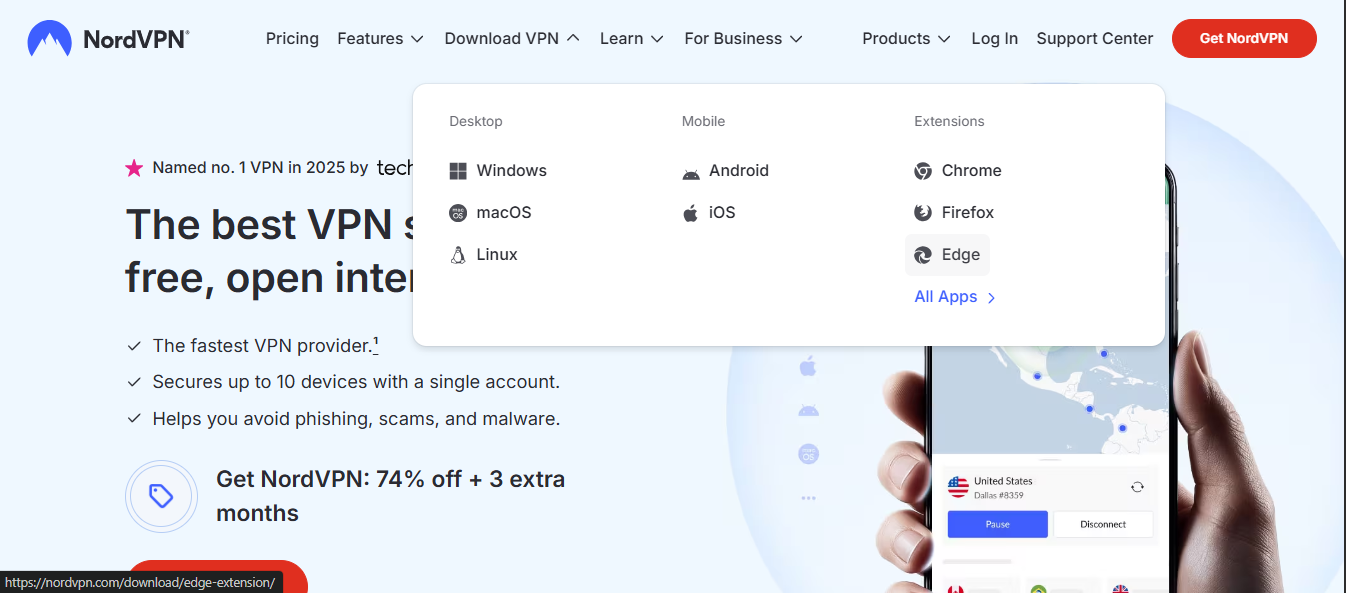
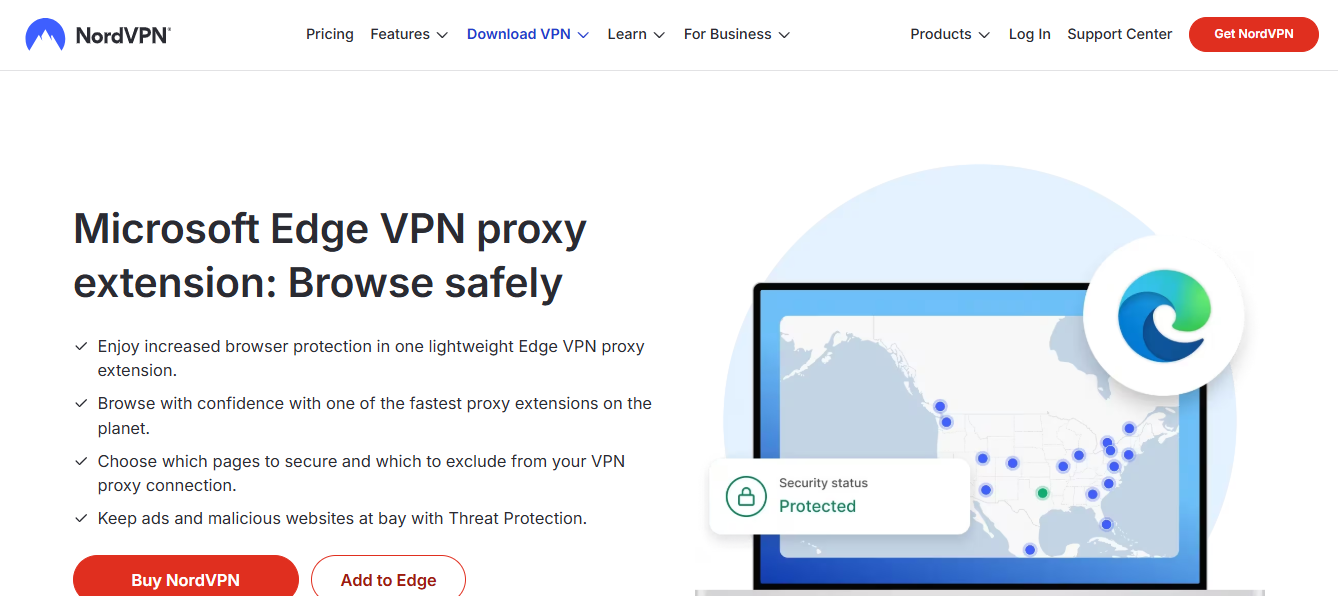
In browser vpn edge comprehensive guide to in browser vpn extensions on edge setup privacy performance and tips Quick fact: Using a VPN extension in Edge can mask your IP and encrypt your browser traffic, but it isn’t a full system VPN and doesn’t protect apps outside the browser. This guide breaks down everything you need to know, from setup to performance, with practical tips.
- Quick setup checklist
- Edge extension options for VPN
- Privacy and security considerations
- Performance and reliability tips
- Troubleshooting common issues
- Real-world use cases
- Resources and further reading
Useful URLs and Resources text only:
Apple Website - apple.com
Artificial Intelligence Wikipedia - en.wikipedia.org/wiki/Artificial_intelligence
Chromium Projects - www.chromium.org
Microsoft Edge Support - support.microsoft.com/en-us/edge
VPN Extension Reviews - www.techradar.com/vpn/extensions-edge
Privacy Tools - www.eff.org/issues/privacy-respect
In browser vpn edge comprehensive guide to in browser vpn extensions on edge setup privacy performance and tips: a quick guide you can actually use.
- What you’ll learn:
- How to install a VPN extension in Edge
- Which extensions are reputable and safe
- How to verify your IP and DNS behavior
- How VPN extensions affect browsing speed
- Tips to maximize privacy without breaking sites
If you’re new to this, you’ll find the steps straightforward. If you’re an experienced user, you’ll still pick up a few practical tweaks to get better speeds and more reliable connections. Below is a concise rundown you can reference as you go, followed by a deeper dive into each topic.
- Step-by-step quick setup guide
- Pick a reputable VPN extension from the Edge Add-ons store.
- Install and sign in with your VPN account.
- Choose a server location and enable the extension.
- Check your new IP and DNS to confirm the VPN is active.
- Adjust settings for privacy like blocking WebRTC leaks if available.
- Common questions you’ll likely have include: Can I use VPN extensions with mobile Edge? Do extensions protect against tracking scripts? How do I prevent DNS leaks?
Things to keep in mind
- VPN extensions are convenient but don’t encrypt traffic outside the browser.
- They can slow down browsing, especially on distant servers.
- Always verify DNS handling and WebRTC behavior to avoid leaks.
Why use a VPN extension in Edge?
A VPN extension adds a layer of privacy by routing your browser traffic through a server you select. It can help with:
- Hiding your real IP from websites
- Bypassing geo-restrictions for streaming or research
- Reducing some forms of tracking by masking where you’re coming from
However, there are limitations: How to use microsoft edge vpn 2026
- It typically does not encrypt traffic from other apps on your device.
- It may not fully prevent fingerprinting or tracking by sophisticated trackers.
- Some sites detect VPNs and may block access.
Edge supports both standalone VPN apps and browser extensions. For many users, an extension is enough for casual browsing, while others require a full-system VPN for all device traffic.
How to choose a VPN extension for Edge
When picking an extension, consider:
- Privacy policy and data handling: Does the service log activity? Do they claim to avoid DNS leaks?
- Jurisdiction: Where is the company based? Do they have data retention laws that could impact you?
- Performance: How fast are the servers? Do they offer split tunneling or only full-traffic tunneling?
- Security features: AES-256 encryption, secure protocols, WebRTC leak protection.
- Compatibility: Does it work well with Edge stable, Beta, or Dev builds?
- User experience: Is the extension easy to use? Are there in-app kill switch options?
Top types of VPN extensions you’ll encounter
- Full-featured VPN extensions: They offer in-browser traffic routing in addition to added privacy tools.
- Lightweight proxies with encryption: These are faster but may offer less privacy.
- Fingerprint-resistant extensions: These focus on reducing browser fingerprinting.
Recommended best practices:
- Read reviews from other Edge users to gauge real-world performance.
- Test multiple servers to find one that balances speed and reliability.
- Enable kill switch features if available, so if the extension disconnects, traffic doesn’t leak.
Step-by-step: Installing a VPN extension on Edge
- Open Edge and go to the Edge Add-ons store.
- Search for a reputable VPN extension look for well-known brands or those with strong privacy policies.
- Click Add to Edge, then confirm the permissions requested.
- Open the extension from the toolbar and sign in with your VPN account.
- Choose a server location and enable the extension.
- Verify your IP address has changed and test for DNS leaks.
- Optional: Enable WebRTC leak protection and any kill switch settings.
- If you’re unsure about a provider, start with a free trial or a money-back guarantee.
- Use a dedicated browser profile for VPN extensions if you want to separate browsing from normal traffic.
Privacy, security, and leakage considerations
- IP masking: A VPN extension hides your public IP from the sites you visit, but some sites can still detect VPNs. Geolocation data can be approximate.
- DNS handling: Some extensions route DNS queries through the VPN tunnel, others rely on your system DNS. Ensure your extension advertises DNS leak protection.
- WebRTC leaks: WebRTC can reveal your real IP even when a VPN is active. If the extension offers WebRTC protection, enable it.
- Data logging: Read the privacy policy carefully. Some extensions may log your activity, while others claim to have a strict no-logs policy.
- Kill switch: A kill switch stops traffic if the VPN drops. This is crucial for privacy, especially if you frequently switch networks.
- Browser fingerprinting: Extensions can help reduce tracking by hiding certain browser signals, but you’ll still face fingerprinting from other sources on the web.
Tips to enhance privacy
- Use a privacy-conscious search engine and disable telemetry in the browser.
- Consider a separate Edge profile for VPN usage to isolate activity.
- Regularly clear cookies and site data or enable a robust anti-tracking feature in the extension/settings.
Performance and reliability
- Server distance: The closer the server, the faster your connection. If you’re streaming or gaming, test a few nearby servers.
- Protocols: Look for modern protocols like WireGuard or OpenVPN. WireGuard generally offers better speed with strong security.
- Bandwidth caps: Some extensions have data caps in free plans. Check your plan limits.
- Latency: VPNs add latency; gaming or real-time communication can suffer. If latency spikes, switch servers.
- Concurrent connections: Some extensions limit how many devices can use the VPN at once. Plan accordingly if you share with family.
- Cache and cookies: A VPN can interact with browser caching. If you see odd loading issues, clear cache and try again.
Measurement tips
- Use speed tests before and after enabling the VPN extension to quantify impact.
- Test streaming platforms to check if the extension unblocks content without buffering.
- Run a DNS leak test after setup to confirm all traffic goes through the VPN.
Edge-specific tips and tricks
- Edge profiles: Create a separate profile for VPN browsing to prevent cross-contamination of cookies and saved data.
- Extensions order: If you use multiple extensions, arrange them so the VPN extension runs first to ensure traffic is routed properly.
- Edge security settings: Review site permissions and disable unnecessary features to minimize potential leaks when the VPN is off.
- Quick toggles: Pin the VPN extension to the toolbar for fast on/off control during daily browsing.
- Edge update cadence: Keep Edge updated to ensure the VPN extension remains compatible and secure.
Real-world use cases
- Remote workers: Access company resources securely from home without exposing other apps.
- Travelers: Bypass geo-restrictions for research or streaming while on the go.
- Researchers: Access region-restricted data without changing your device’s overall network settings.
- Privacy enthusiasts: Add an extra layer of privacy during everyday browsing.
Case examples
- A user in Europe streams a series that’s geo-blocked in their country; they switch to a nearby server and watch without buffering.
- A student uses a VPN extension to protect login credentials on public Wi-Fi in a campus cafe.
Common issues and fixes
- Issue: VPN doesn’t connect
- Fix: Recheck login credentials, try a different server, or restart Edge and the extension.
- Issue: Pages load slowly
- Fix: Switch to a closer server, disable bandwidth-heavy extensions, or check your internet connection.
- Issue: DNS leaks detected
- Fix: Enable DNS leak protection in the extension, or switch to a DNS-aware VPN provider and ensure DNS routing is through the VPN.
- Issue: WebRTC leak
- Fix: Enable WebRTC protection in the extension or browser flags, or use a different extension that blocks WebRTC.
- Issue: Extension conflicts
- Fix: Disable other extensions temporarily to identify conflicts, then re-enable them one by one.
Best practices for long-term use
- Regularly review privacy policies and terms of service to ensure your data remains private.
- Rotate server locations to avoid performance bottlenecks and reduce the chance of sites detecting repeated connections.
- Maintain a clean Edge profile: clear cache periodically, reset site data, and review saved passwords.
- Combine with privacy tools like tracking blockers and secure search engines for a layered approach.
Frequently Asked Questions
Is an Edge VPN extension enough for privacy?
Yes for casual privacy within the browser, but it won’t protect non-browser apps or the entire device’s traffic. For full-device protection, consider a system-wide VPN.
Do VPN extensions slow down my browser?
Often they do, especially on distant servers or busy networks. The impact varies by provider and server selection; testing multiple servers helps find the best balance. Free vpn addon for edge 2026
Can I use multiple VPN extensions at once in Edge?
Usually not recommended; most extensions can conflict. Use one trusted extension at a time and disable others.
How do I verify that my VPN is working in Edge?
Check your public IP on a site like whatismyipaddress.com or iplocation.net after the VPN is enabled. Run a DNS leak test to ensure DNS queries go through the VPN.
What is DNS leakage, and how do I prevent it?
DNS leakage happens when DNS requests bypass the VPN, revealing your actual location. Enable DNS leak protection in the extension and, if possible, route DNS through the VPN.
Can VPN extensions unblock content?
Yes, many extensions can help access geo-restricted content by connecting to servers in allowed regions. Some streaming platforms actively block VPNs, though.
Are VPN extensions legal?
In most places, using a VPN is legal. However, some services may restrict VPN use on their platform, and you should comply with local laws and terms of service of sites you visit. Fast vpn google extension: how to choose, install, and optimize browser VPN extensions for Chrome, Firefox, and Edge 2026
How secure are VPN extensions?
Security varies by provider. Look for strong encryption AES-256, secure protocols WireGuard/OpenVPN, no-logs policies verified by audits where possible, and a reputable track record.
Do VPN extensions protect against tracking scripts?
They can reduce exposure by masking your IP and routing traffic through a VPN server, but script-based tracking can still occur. Use additional anti-tracking features in Edge when possible.
Should I disable WebRTC to prevent leaks?
If you’re concerned about leaks, enable WebRTC protection in the extension or browser settings. Some users find WebRTC controls simpler to manage in extensions.
How often should I test for leaks?
A quick check after setup and after major updates is enough. If you notice odd behavior or new leaks, re-run tests.
Can I use a VPN extension on mobile Edge?
Yes, many VPN providers offer extensions or equivalents for mobile browsers. The setup process is similar, but the user interface differs slightly. Expressvpn contact: the definitive guide to reaching ExpressVPN support, contact options, hours, and troubleshooting tips 2026
What’s the difference between a VPN extension and a standalone VPN app?
A VPN extension routes browser traffic; a standalone app covers all network traffic on the device. Extensions are easier for quick privacy wins in the browser, but system-wide protection requires a full VPN app.
How do I choose the best server location for streaming?
Pick a server geographically close to you for speed or choose a region where the streaming service allows access. Some services have dedicated streaming servers—if available, use those.
Can I use a VPN extension to browse in incognito/private mode?
Yes, you can, but remember privacy benefits rely on the VPN extension’s protection. Incognito mode only affects local browser data, not traffic leaving your device.
What about logging and data collection?
Always review the provider’s privacy policy. Prefer no-logs or minimal-logs policies, and look for independent audits or transparency reports where possible.
How do I uninstall or disable a VPN extension in Edge?
Open Edge, click the puzzle-piece icon extensions, find the VPN extension, and choose Remove or disable. Restart Edge if you notice any lingering issues. Is edge better than google for privacy and performance on Windows with VPN tips and browser comparison 2026
In browser vpn edge means using a VPN extension inside the browser to encrypt traffic and mask your IP. Here’s a practical, developer-friendly guide to help you understand, choose, and set up an in-browser VPN on Microsoft Edge, plus tips to stay private, fast, and secure while browsing. This guide includes a step-by-step setup, real-world tips, comparisons, and a robust FAQ to cover what you’re most likely wondering about. If you’re ready to explore a quick, trusted option for in-browser protection, NordVPN’s browser extension is a popular pick—check it out here:
NordVPN - nordvpn.com
Useful URLs and Resources un clickable text for quick reference
- NordVPN - nordvpn.com
- Microsoft Edge - microsoft.com/edge
- Chrome Web Store - chrome.google.com/webstore
- Privacy basics - en.wikipedia.org/wiki/Privacy
Introduction: what this guide covers and why in-browser VPNs on Edge matter
Yes, in-browser VPN edge means using a VPN extension inside the browser to encrypt traffic and mask your IP. In this guide, you’ll quickly learn how in-browser VPNs work on Edge, when to use them, and how to optimize them for privacy and performance. You’ll also find a practical setup path, side-by-side comparisons with full-device VPNs, and actionable tips to avoid common pitfalls. Think of this as your go-to blueprint for safer, smarter browsing on Edge with a lightweight, browser-based VPN.
What you’ll learn in this guide quick overview Is edge vpn secure: edge vpn security, privacy, performance, and practical tips for 2026
- The difference between in-browser VPNs and system-wide VPNs
- How Edge supports browser extensions and why that matters for privacy
- A step-by-step setup for Edge, including enabling Chrome extensions if needed
- When to choose an in-browser VPN over a full VPN app
- How to test VPN functionality, identify leaks, and diagnose issues
- Privacy considerations, data collection, and best practices
- Real-world use cases: streaming, public Wi‑Fi, and travel
- Common myths about browser extensions vs. full VPN clients
- Tips to maximize speed and minimize impact on performance
- A robust FAQ with practical answers you can act on today
Body
What is an in-browser VPN extension and how Edge supports it
An in-browser VPN extension is a lightweight tool that runs inside your browser and encrypts traffic that passes through the browser itself. This is different from a full VPN app that tunnels all network traffic on your device. Edge, built on Chromium, can work with many browser extensions available in the Chrome Web Store, which means you can add VPN protection directly in Edge without installing a separate app.
Key points about in-browser VPN extensions:
- Scope: They usually protect only browser traffic, not other apps on your computer.
- Speed: They tend to be lighter and faster to enable for quick privacy boosts, but might be less feature-rich than full VPN apps.
- DNS and IP masking: The extension routes browser requests through a VPN server, masking your IP for sites you visit in the browser.
- Privacy posture: The extension’s privacy policy and logging claims matter more here because you’re placing trust in a smaller software component.
Pro tip: Because Edge supports extensions from multiple sources, you can opt to install a well-known VPN extension from the Chrome Web Store after enabling permission to install “extensions from other stores.” This gives you more options while keeping Edge as your main browsing environment.
Pros and cons of in-browser VPN edge
- Easy to set up for quick privacy on specific browsing sessions
- No system-wide configuration needed
- Useful on shared or public computers for quick protection
- Good for bypassing some browser-based geo-restrictions while streaming in-browser
Cons
- Does not encrypt traffic from other apps on the device e.g., email clients, games, backups
- Reliability depends on browser permissions and extension integrity
- Potential for WebRTC leaks if not configured correctly
- Some extensions collect logging or telemetry. you must trust the provider’s policy
Why this matters: edge users often want fast, lightweight privacy for browsing, but you still need to assess whether you need device-wide protection or if an in-browser option is enough for your use case.
How to choose the best in-browser VPN extension for Edge
- Privacy policy and logging: Read the provider’s stance on data collection. Prefer zero-logs or minimal-logs policies.
- Encryption protocol: Look for modern protocols like WireGuard or OpenVPN in the extension, with strong encryption AES-256.
- Leak protection: Prioritize extensions that offer DNS leak protection and WebRTC leak prevention.
- Performance and speed: User reviews often note how the extension impacts browsing speed. Look for servers near your location for better latency.
- Jurisdiction and data retention: Consider where the VPN company is based and applicable data retention laws.
- Cross-platform support: If you use other devices, a single provider with browser extensions for multiple platforms can simplify your privacy setup.
- Update cadence: Active maintenance and frequent security updates are signs of a trustworthy extension.
Popular options you’ll encounter in the browser extension ecosystem include those from well-known VPN brands that offer both full apps and browser extensions. If you decide to try a paid option, you’ll typically gain access to safer servers, better leak protection, and more robust privacy features. For a quick, trusted experience, there’s a strong case for trying a reputable provider’s browser extension first, especially if you’re navigating public Wi‑Fi or geo-restricted content.
Step-by-step: how to set up an in-browser VPN extension in Edge
- Prepare Edge
- Open Edge and go to the extensions menu three-dot menu > Extensions.
- If you plan to install extensions from outside the Microsoft Store, toggle on "Allow extensions from other stores" Edge will prompt you for confirmation.
- Find and install a VPN extension
- Visit the Chrome Web Store or a provider’s official extension store.
- Search for a trusted VPN extension with good reviews and an established privacy policy.
- Click Add to Edge or Install and confirm permissions.
- Grant necessary permissions
- Extensions will request permissions to read and change data on websites you visit, access tabs, and manage data. Review these carefully.
- For better security, limit permissions to what the extension states as necessary and disable anything unnecessary.
- Configure settings for privacy
- Turn on DNS leak protection if available.
- Enable a kill switch if the option exists for the browser extension. Note that browser-level kill switches may behave differently than system-wide ones.
- Ensure WebRTC protection is enabled to minimize IP leaks.
- Connect to a server
- Open the extension, select a server or location, and click connect.
- Verify your new IP address and location by visiting a site that shows your IP e.g., whatismyipaddress.com or ipinfo.io.
- Test and verify
- Test for WebRTC leaks and DNS leaks using dedicated test pages.
- Check that your browser traffic routes through the VPN server by visiting geo-locked sites and confirming they load with the expected location.
- Ongoing maintenance
- Keep the extension updated with automatic updates.
- Periodically review permissions and privacy policies as providers update their terms.
Edge-specific tips
- Because Edge is Chromium-based, many Chrome extensions work in Edge. If you run into issues, check Edge’s extension settings or try an alternative extension from a trusted provider.
- Running multiple browser extensions that alter traffic can lead to conflicts. Keep VPN extensions enabled and disable others that manage traffic or inject scripts.
Real-world scenarios: when in-browser VPN edge shines
- Public Wi‑Fi at cafes or airports: A browser extension offers a quick privacy layer for browsing sessions on public networks.
- Lightweight privacy on personal devices: If you don’t want to commit to a full VPN app, an in-browser extension helps you stay mindful of privacy while browsing.
- Geo-restricted streaming in-browser: You can access content limited to certain regions directly within Edge, without changing system-wide settings.
- Temporary privacy boost for research or shopping: If you’re shopping from a shared device, you can quickly enable browsing protection for sensitive sessions.
Performance and privacy: what to expect
- Speed impact: Encryption adds overhead, but a well-optimized in-browser extension on a nearby server can maintain solid speeds for typical browsing, streaming at moderate quality, and light downloads.
- Privacy protection: Browser extensions provide encryption for browser traffic, but they don’t shield other apps. For complete privacy on your device, consider a full VPN client or a layered approach VPN plus browser privacy hygiene.
- DNS and WebRTC leaks: The best extensions include DNS leak protection and WebRTC leak blocking. Regularly test for leaks after updates or after enabling new extensions.
- Trust and transparency: Pick extensions from reputable providers with clear privacy policies, transparent data practices, and a verifiable track record.
Security and privacy considerations when using in-browser VPN edge
- Trust is non-negotiable: You’re placing trust in the extension provider to handle your data responsibly. Favor providers with transparent audits or third-party reviews.
- Permissions matter: Don’t grant broad permissions unless the extension truly needs them. Regularly review and revoke unused permissions.
- Browser isolation: Always keep Edge up to date. Security patches in the browser complement the protection offered by extensions.
- WebRTC awareness: Even with a VPN, WebRTC can reveal your real IP if not properly blocked. Use extensions that address this or disable WebRTC in Edge when privacy is critical.
- Logging vs. no-logs: Browser-based privacy relies on the extension’s logging policy. A no-logs approach minimizes the data that could be exposed in a breach or legal request.
Common myths and truths about in-browser VPNs
Myth: An in-browser VPN is just as private as a full VPN app. Truth: It can be enough for browser traffic, but it doesn’t protect non-browser apps. If you need comprehensive protection, you’ll want a full device-wide VPN. K e electric locations 2026
Myth: All browser extensions are safe. Truth: Not all are trustworthy. Stick to reputable providers and read reviews, permissions, and policies before installing.
Myth: It’s not worth using a VPN extension if I use HTTPS sites. Truth: HTTPS protects the payload, but a VPN still hides your IP from websites, and it can shield metadata like your ISP’s observation of your browsing activity.
Myth: Browser extensions can replace the need for a VPN entirely. Truth: For many people, a combination of privacy tools, including a VPN, is a better approach rather than relying on a single tool.
Myth: WebRTC leaks can’t be stopped. Truth: Many extensions and browser settings can disable WebRTC leaks or neutralize IP exposure through WebRTC. It’s worth turning off WebRTC in Edge if privacy is a priority.
Alternatives and complements to in-browser VPNs on Edge
- Full VPN app: A traditional option that tunnels all device traffic and provides a wider set of privacy controls and features kill switch, port forwarding, robust DNS protection.
- Privacy-focused browsers with built-in protections: Some browsers emphasize privacy features like anti-tracking, but they may not provide encryption for all traffic.
- DNS privacy tools: Independent DNS over HTTPS DoH or DNS over TLS DoT services can work alongside a VPN to reduce DNS leakage risk.
- Secure browsing habits: Enable strict tracking protection, regularly clear cookies, and avoid suspicious extensions or sites.
Practical tips to maximize privacy and speed
- Choose a nearby server: For better speed, connect to a server physically closer to your location.
- Use a trusted provider: Prioritize established brands with strong privacy policies and transparent practices.
- Regularly verify your IP: After enabling the extension, check that your apparent location matches the server location.
- Disable unnecessary extensions: Some extensions can interfere with VPN traffic. Keep only the ones you truly need.
- Update and audit: Keep Edge and extensions up to date. periodically audit permissions and privacy settings.
- Combine with HTTPS: Always aim to visit HTTPS-enabled sites. a VPN doesn’t fix insecure sites.
Frequently Asked Questions
What does in-browser vpn edge mean?
In browser vpn edge means using a VPN extension inside the Edge browser to encrypt traffic and mask your IP for websites accessed through Edge. Nordvpn edgerouter 2026
Can I use a VPN extension in Microsoft Edge?
Yes. Edge supports browser extensions, and you can install a VPN extension from the Chrome Web Store with Edge’s permission or from a provider’s official store.
Is a browser extension as secure as a full VPN app?
It depends. Browser extensions protect browser traffic but don’t cover non-browser apps. For full-device privacy, a full VPN app is typically more robust, though a reputable in-browser extension is useful for quick protection.
How do I install a VPN extension in Edge?
Enable Edge to install extensions from other stores if needed, search for a trusted VPN extension in the store, add it to Edge, grant permissions, and configure privacy settings like DNS leak protection and a kill switch.
Do VPN extensions slow down my connection?
They can introduce some latency due to encryption and routing, but many modern extensions are optimized to minimize speed loss. Proximity to a server and server load play big roles.
Can VPN extensions leak DNS or WebRTC data?
Yes, if not configured properly. Look for extensions that offer DNS leak protection and WebRTC leak mitigation. consider disabling WebRTC in Edge if you’re prioritizing privacy.
Are VPN extensions free or paid?
Both options exist. Free extensions may come with limits or data retention concerns, while paid options typically offer stronger privacy guarantees and better performance.
How can I test if the VPN is working correctly?
Check your IP and location on a site like whatismyipaddress.com, run a WebRTC leak test, and verify DNS resolution paths show the VPN server’s DNS. Re-test after making changes or updates.
Can I watch geo-blocked content with an in-browser VPN edge?
Often yes, especially for sites that allow browser-based geolocation checks. Results vary by service and server location.
How should I choose a VPN extension for Edge?
Prioritize privacy policy clarity, reputable providers, strong encryption, leak protection, regular updates, and clear user reviews. Verify how logging is handled and what data, if any, is collected.
Is Edge safe to use with VPN extensions?
Edge is a secure platform, and when you use trusted extensions from reputable providers, you can add a layer of privacy to your browser. Always keep Edge updated and review extension permissions.
Do VPN extensions protect against malware?
No. VPN extensions shield traffic from eavesdropping and mask your IP, but they don’t replace antivirus or anti-malware protections. Use a layered security approach.
Can I use more than one VPN extension at the same time in Edge?
It’s generally not recommended to run multiple VPN extensions simultaneously, as they can conflict or cause routing issues. Choose one trusted extension at a time.
What should I look for in a VPN extension’s privacy policy?
Look for explicit statements about data collection, retention periods, and whether any data is shared with third parties. Prefer zero-logs or minimal-logs policies with independent audit transparency if available.
Is it worth paying for an in-browser VPN extension?
If you value privacy, faster updates, stronger security features, and reliable customer support, paying for a reputable VPN extension is often worth it. Free options can be adequate for light use, but paid plans generally offer better protection.
Can I use a VPN extension on other browsers besides Edge?
Yes. Many VPN providers offer extensions for Chrome, Firefox, and other Chromium-based browsers. If you switch browsers, your Edge setup won’t automatically transfer—reinstall on the new browser.
How often should I re-evaluate my VPN extension choices?
Periodically review privacy policies, performance, server options, and user feedback. If you notice data leaks, slow speeds, or policy changes, consider试 another trusted provider.
Conclusion: not a conclusion per instructions
This guide laid out the essentials of using an in-browser VPN extension on Edge, including setup steps, privacy considerations, performance expectations, and practical tips. Whether you’re protecting yourself on public Wi‑Fi, streaming content, or just browsing with a bit more privacy, an Edge browser extension can be a solid, low-friction option. Remember to pick a reputable provider, configure leak protection, test regularly, and stay mindful of what each extension can access. If you want a strong, user-friendly option to start with, the NordVPN browser extension is a solid choice to consider, and you can learn more through the banner above.
Vpn网址大全:如何在不同场景下选择、安全使用与管理 VPN入口链接的完整指南